Jesus Cross Leopard Patchwork Shirt PNG: A Guide to High-Quality Digital Design
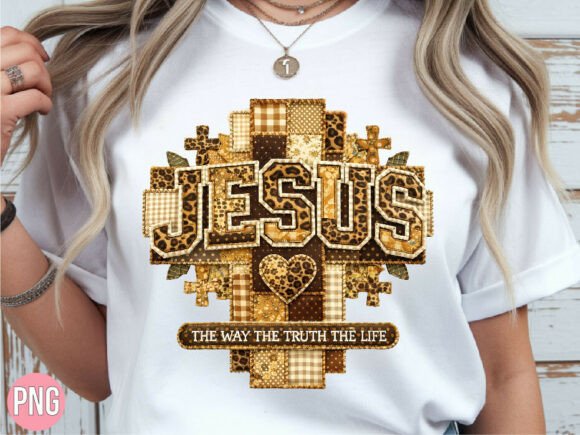
The intersection of faith-based imagery and modern fashion trends has created a unique niche in the Print on Demand (POD) market. One standout design that captures this blend is the Jesus Cross Leopard Patchwork Shirt PNG. This specific graphic combines spiritual symbolism with the bold, trendy aesthetic of leopard print patchwork, offering a visually striking option for apparel and accessories. However, simply finding a file online is not enough to guarantee a successful product. Many creators rush into downloading and uploading digital assets without understanding the technical nuances that separate a amateur-looking print from a professional-grade item.
For designers, crafters, and small business owners, the difference often lies in the details of the file itself. A premium digital design file is carefully prepared to ensure clean quality and easy integration into various projects. Yet, common oversights regarding resolution, background transparency, and software compatibility can lead to frustrating results. By understanding what to look for and how to properly utilize these assets, you can avoid costly mistakes and elevate the quality of your creative output.
Understanding the Value of High-Resolution Digital Assets
When you purchase a digital design, you are buying the potential for a high-quality physical product. The Jesus Cross Leopard Patchwork Shirt PNG is not just an image; it is a tool for creation. The primary value of a premium file lies in its technical specifications. A standard screenshot or a low-quality download from a free site often lacks the density of pixels required for crisp printing. This is where the specification of 300 DPI (Dots Per Inch) becomes critical.
DPI determines how many ink dots a printer places within one inch of space. For digital screens, 72 DPI is often sufficient, but for physical products like t-shirts, mugs, and pillows, 300 DPI is the industry standard for sharpness. If you use a low-resolution file, your final print may appear pixelated, blurry, or washed out. This directly impacts customer satisfaction and can harm your brand’s reputation. Therefore, ensuring that your downloaded ZIP file contains a true 300 DPI PNG is the first step in protecting your business interests.
Common Mistakes When Using Transparent Backgrounds
One of the most significant advantages of a well-prepared PNG file is its transparent background. This feature allows the design to be placed seamlessly onto any colored fabric or product surface without a white box surrounding it. However, many beginners misunderstand how transparency works in different software environments.
A frequent error occurs when users open a PNG file in basic image viewers that do not support transparency layers. Instead of seeing the design floating on a checkered or clear background, they see a white or black backdrop. If they save or export the file from this viewer, the transparency is lost, replaced by a solid color block. When this file is printed on a dark-colored shirt, the result is an unsightly square around the design.
To avoid this, always verify that your design software supports alpha channels (transparency). Professional tools like Adobe Photoshop, Illustrator, or even free alternatives like GIMP and Canva (with proper handling) manage transparency correctly. Before finalizing your product mockup, place the design over a contrasting color to ensure no unwanted artifacts or background colors remain. This simple check prevents wasted prints and ensures the leopard patchwork pattern blends naturally with the garment.
Overlooking File Compatibility and Preparation
Another overlooked detail is the format of the delivered file. Premium designs are typically delivered in a ZIP file to preserve quality and organize assets. Some users attempt to use the design directly from the compressed folder without extracting it. This can cause errors in design software, leading to corrupted imports or missing data. Always unzip and extract the folder after downloading to ensure all files are accessible and intact.
Furthermore, not all POD platforms accept every file type in the same way. While PNG is widely accepted, some platforms have specific requirements for color profiles (such as sRGB vs. CMYK). Although most digital printers today handle sRGB PNGs well, it is wise to check the specific guidelines of your chosen printing partner. Ignoring these platform-specific rules can result in color shifts, where the vibrant tones of the leopard print appear dull or inaccurate in the final product.
Maximizing Versatility Across Creative Projects
The Jesus Cross Leopard Patchwork Shirt PNG is versatile, but its application requires thoughtful consideration of the end product. This design is perfect for a wide variety of creative and Print on Demand projects, including:
- Apparel: T-shirts, hoodies, and tank tops where the transparent background allows the fabric color to show through.
- Accessories: Tote bags, pillows, and phone cases that benefit from high-contrast, bold graphics.
- Home Decor: Mugs, tumblers, and wall art where resolution clarity is paramount for close-up viewing.
- Paper Goods: Greeting cards, scrapbooks, and stickers, where the crisp edges of the PNG ensure clean cutting and printing.
When applying this design to different items, consider the scale. A pattern that looks balanced on a large t-shirt might appear cluttered on a small mug. Adjust the size of the design within your software to suit the dimensions of the product. Additionally, remember that this is a digital download; no physical item will be shipped. This means you are responsible for the production quality. Taking the time to create accurate mockups helps visualize how the patchwork texture interacts with the material of the product.
How to Evaluate Quality Before Purchasing
Before committing to a purchase, there are several factors you should check to ensure you are getting a premium file. First, look for clear descriptions of the file details. A reputable seller will explicitly state that the file includes a 1 PNG file with 300 DPI high-resolution quality and a transparent background. Vague descriptions often indicate lower-quality assets.
Second, read reviews from other buyers. Look for comments about ease of use and print quality. If multiple users mention pixelation or background issues, it is a red flag. Finally, consider the complexity of the design. The leopard patchwork effect involves intricate details and varying textures. A low-quality file will lose these nuances, turning distinct patches into a muddy blur. High-quality vectors or high-res rasters preserve these details, ensuring the final product looks professional and intentional.
Best Practices for Long-Term Success
To get the most out of your Jesus Cross Leopard Patchwork Shirt PNG, adopt a workflow that prioritizes quality control. Start by organizing your digital assets in clearly labeled folders. Keep the original ZIP file as a backup. When working in your design software, always work on a copy of the original PNG to prevent accidental degradation of the source file.
Additionally, stay updated on the capabilities of your design software. New features and updates can improve how you handle transparency and color management. By treating your digital files with care and respecting the technical requirements of print production, you transform a simple download into a valuable asset for your creative business. This approach not only saves time and money but also builds trust with your customers, who will appreciate the high standard of your finished products.